Moldova
Europe19 photographs
Wine cellars, a ghost country, and no tourists.
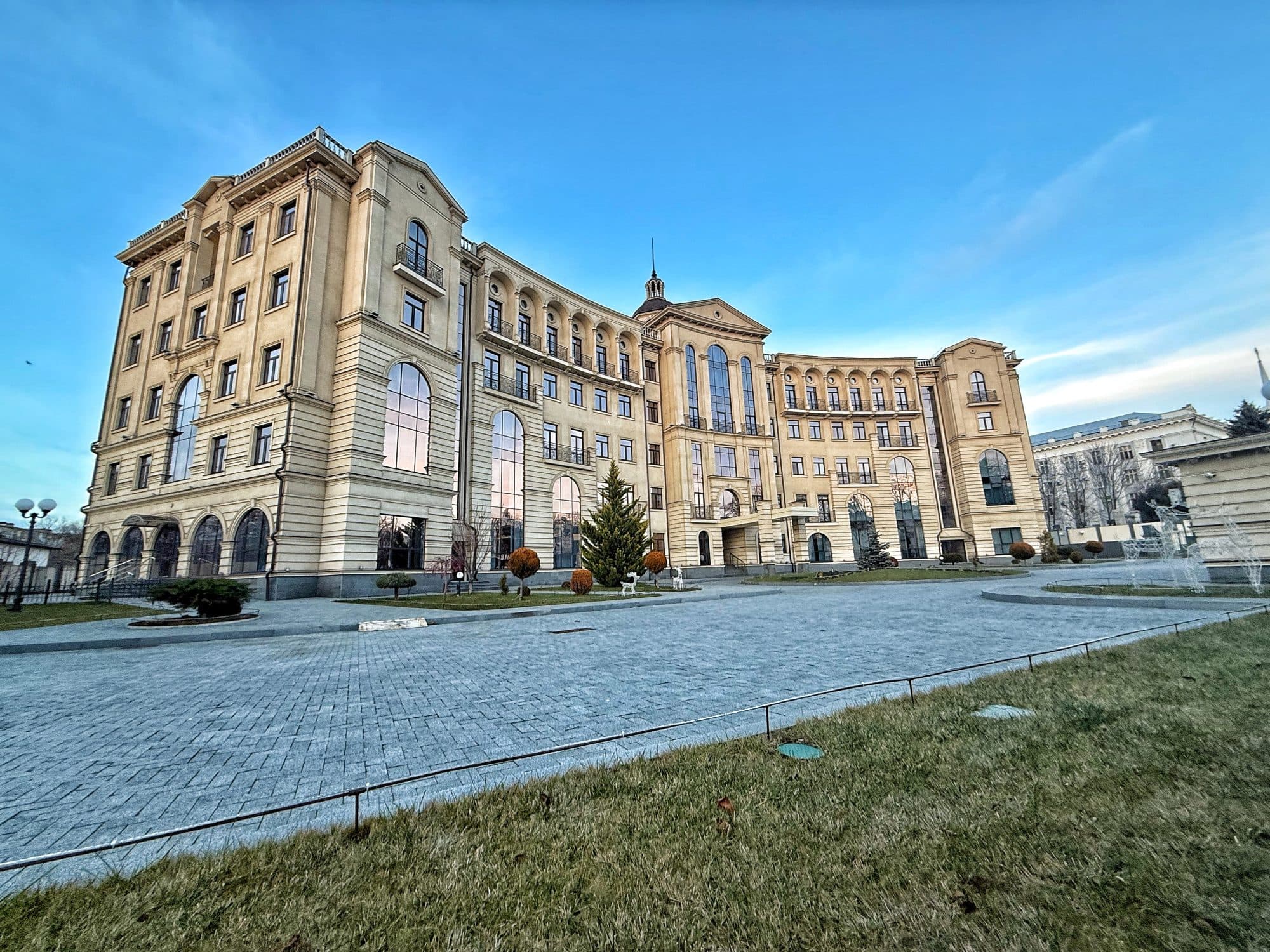
Moldova caught me off guard. I went in expecting grey post-Soviet monotony and came out with full wine glasses and a genuine fondness for the place. Chisinau felt like a city still figuring out what it wants to be — wide Soviet boulevards lined with chestnut trees, a cathedral square that goes quiet in winter, and restaurants serving mamaliga and wine from bottles that have been ageing underground since before I was born. The underground cellars at Cricova were something else entirely: kilometres of tunnels carved into limestone, oak barrels stacked floor to ceiling, the air cold and smelling of earth and fermentation.
Then there is Transnistria, which is its own thing altogether. You cross a checkpoint, your passport gets stamped by a country that no one officially recognises, and suddenly you are in a place that still runs on Soviet aesthetics — Lenin on a plinth, a parliament draped in red-and-green flags, T-34 tanks on pedestals at roundabouts. But then around the corner you find an ornate black iron kiosk in a park, or a white fairy-tale carriage left on a street corner, and the whole place becomes genuinely strange and interesting rather than just grim.
What I keep coming back to is how unhurried it all felt. Moldova is not on anyone's bucket list, and that is exactly why it worked. No crowds, no overpriced tourist menus, just a small country that pours its wine generously and lets you wander.